Fear.
That is often the first reaction when we hear the phrase emergency preparedness.
As humans, we naturally seek comfort. Even when warning signs are clear, we tend to shift our minds toward hope and reassurance, choosing to believe that things will somehow work out or that “it will never be us.”
In many African communities, prayer becomes our first response when things go wrong. Prayer is powerful and deeply important. However, prayer without preparation often leaves gaps. Too often, instead of making structured decisions and building practical solutions, we hope situations will resolve themselves.
Reality tells a different story.
Across different parts of Nigeria, reports of violent attacks, kidnappings, displacement, fire outbreaks, and road incidents continue to emerge. Families are forced to flee their homes. Students travel long distances through unfamiliar or high-risk routes for academic purposes. Many young people relocate to cities with limited support systems and no clear emergency plans.
Every incident we read about happened on a road someone uses daily.
In a city someone once called home.
On a route our loved ones may take tomorrow.
Avoiding these conversations does not make us safer.
Preparedness Is Not Paranoia
Discussing emergency plans with your family is not an invitation to fear. It is an act of responsibility.
Fire outbreaks occur in hostels and residential buildings.
Students fall suddenly ill while living alone.
Floods cut off access roads.
Phones die. Data goes off.
And in moments of danger, many people freeze because they do not know what to do.
Emergency preparedness exists to replace confusion with clarity.
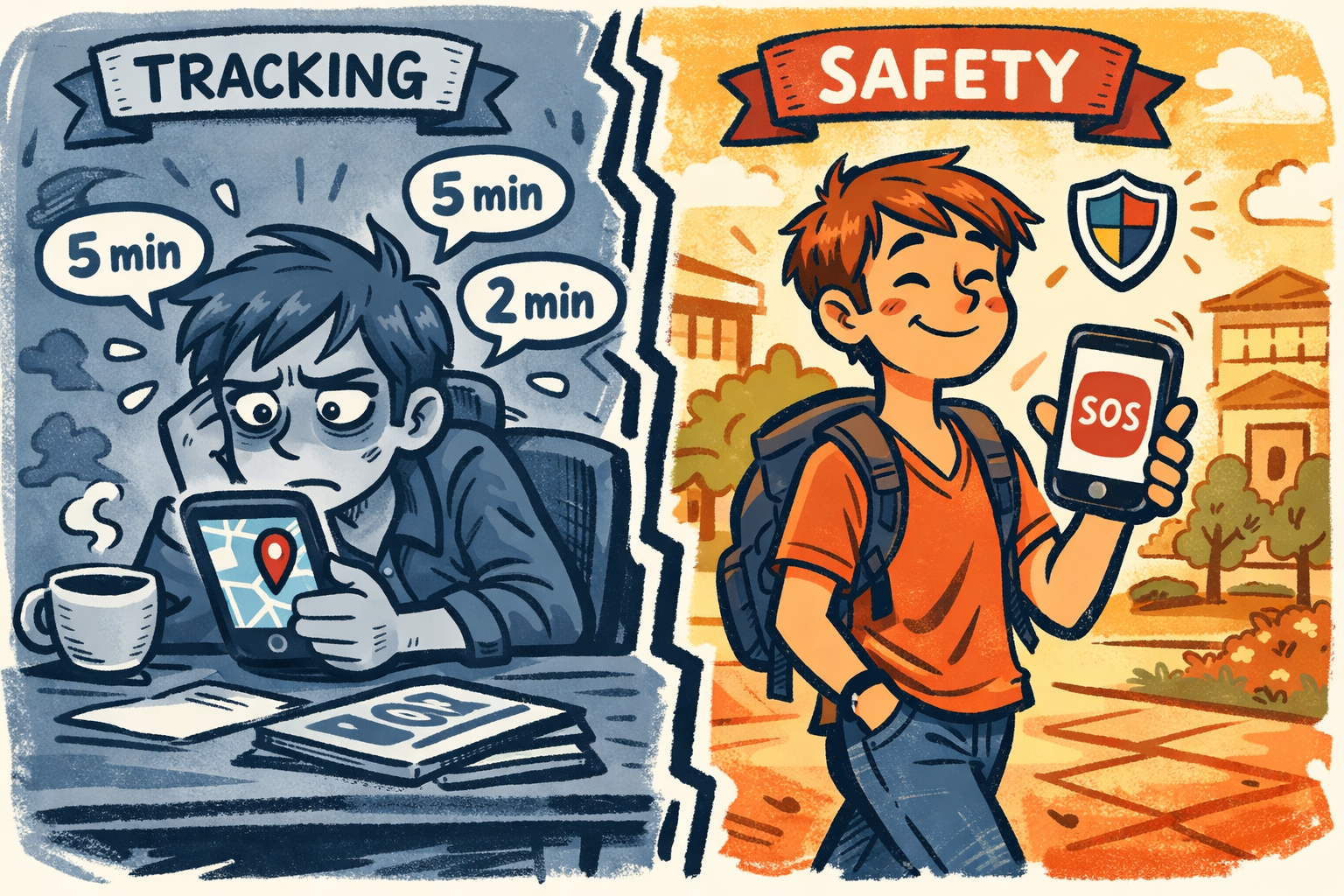
At NauNauSOS, our goal is not to scare you. Our goal is to help you achieve peace of mind using the small device you already carry every day.
History reminds us that an unconscious action, even in simple forms, can reduce the impact of danger. In 1912, former U.S. President Theodore Roosevelt survived an assassination attempt because a folded speech manuscript and a steel eyeglass case in his breast pocket slowed the bullet. That did not prevent the attack, but it reduced its severity and gave him time to act.
Today, the most powerful tool many of us carry is not paper or metal.
It is the phone in our pocket.
Why Do People Buy Insurance?
To understand preparedness, think about insurance or a spare tire.
You do not expect an accident.
You do not plan for a breakdown.
But you prepare so your journey does not end if one occurs.
Emergency preparedness works the same way.
It is not about expecting danger.
It is about ensuring that when the unexpected happens, you are not helpless.
Preparedness is professionalism for life.
The Reality We Must Accept
Unexpected events happen to everyone.
Fire outbreaks.
Medical emergencies.
Transport accidents.
Campus security incidents.
Natural disasters.
These are events we may not control. What we can control is how ready we are to respond.
Preparation does not remove faith.
It strengthens responsibility.
Why You Need to Step In
Stepping in means choosing to be accountable for safety, for yourself and for others.
Think of it as becoming the safety officer in your family.
The person who gets the alert.
The person who knows what to do when a loved one is far from home and needs help.
Just as we rely on fire services during fires and ambulances during medical emergencies, someone must be reachable when things go wrong. That role does not always belong to institutions alone.
It can belong to you.
Preparedness builds responsibility.
Responsibility builds confidence.
How to Become That Person
You do not need professional training to begin.
Start by encouraging your loved ones to join your safety circle on the NauNauSOS App. Explain what it does, how it works, and the responsibility you are choosing to take.
This is not about fear.
It is about support.
Many of us once wanted to be first aiders or emergency responders. Today, being a digital first aider is possible.
And it starts with one decision.
The ROI of Readiness
Preparedness delivers real returns.
1. Faster Response in Critical Moments
In emergencies, time matters. Quick alerts, location sharing, and instant communication can significantly reduce response time.
2. Reduced Panic and Better Decisions
People who know what to do are less likely to freeze. Preparedness replaces panic with action.
3. Peace of Mind for Parents and Guardians
Knowing that your child has a reliable way to reach help brings reassurance, not anxiety.
4. Stronger Family Safety Culture
Prepared families communicate better, plan better, and respond more effectively to emergencies.
5. Confidence in Daily Life
When you know help is reachable, you move through life with clarity and confidence, not fear.
Confidence Is the Goal
The unexpected is inevitable.
Fear is optional.
Emergency preparedness is not about imagining worst-case scenarios. It is about ensuring that when life happens, you are not powerless.
Prayer and preparation can work together.
Hope and action should not be separated.
Confidence does not come from ignoring risk.
It comes from knowing you are ready.
And today, readiness fits right inside your pocket.
Take the first step here, create a safety circle for your family: NauNauSOS App.