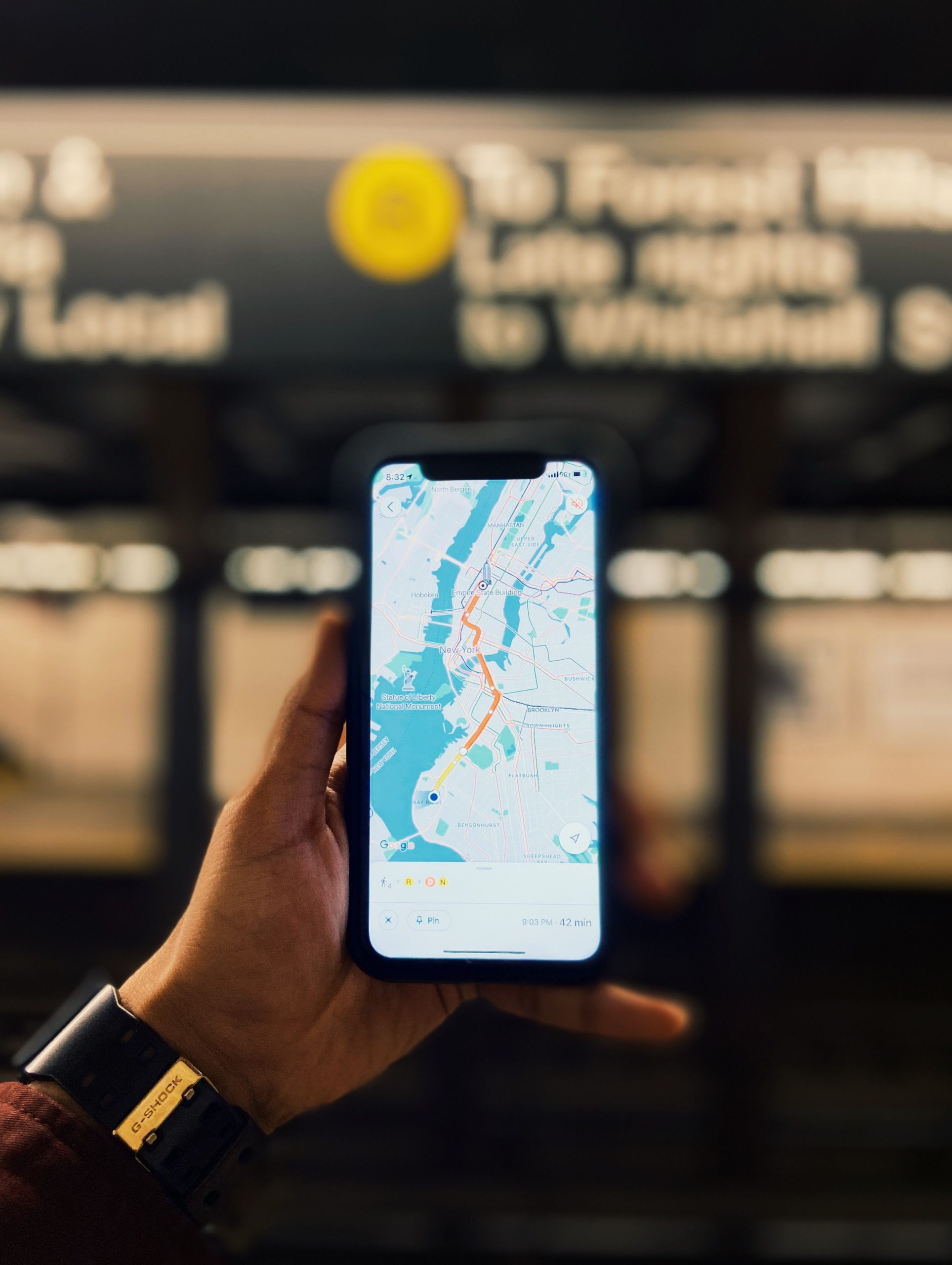
Here is a conversation that happens at almost every college orientation.
A group of students is talking about safety apps. Someone says they downloaded one but deleted it because it drained their battery. Someone else says they do not need one because their campus is safe. A third person says they tried to set one up and it was too confusing, so they gave up. A fourth says they already have 911 so what is the point.
And then everyone nods and moves on, and nobody ends up with a safety app on their phone.
The problem is that almost everything said in that conversation was wrong. And the misconceptions people hold about emergency SOS apps are exactly what stop them from having the one tool that could matter most when something actually goes wrong.
So let us fix that. Here are five things’ people consistently get wrong about emergency SOS apps, and what is actually true.
Myth 1: SOS Apps Are Only for Extreme Emergencies
This is the biggest one. And it keeps more students unprotected than any other misconception.
Most students picture a dramatic emergency when they think about SOS apps. An attack. A shooting. Something that makes the news. And because most students go through their entire college experience without experiencing anything that extreme, they convince themselves the app is not necessary.
But emergencies come in all sizes. A student has a medical episode in their dorm room and cannot get to the door. Someone gets stranded off campus late at night and their phone is about to die. A student is walking home, and something feels deeply wrong, but they cannot put their finger on what. A car breaks down in an unfamiliar area at 1 AM.
None of those make headlines. All of them are situations where one tap reaching the right people immediately changes everything.
The truth is that the most common reason students use safety apps is not a violent emergency. It is the quiet, uncertain, I-just-need-someone-to-know-where-I-am moment that happens in ordinary college life all the time.
NauNauSOS was built for all of those moments. Not just the dramatic ones.
Myth 2: I Already Have 911. I Do Not Need Another App.
911 is essential. Nobody is saying otherwise. But 911 and a personal SOS app are doing completely different things and you actually need both.
When you call 911 you are reaching emergency services. Trained professionals who can dispatch police, fire or ambulance to your location. That is invaluable in a genuine life-threatening emergency.
But there are real limitations. You have to be able to speak clearly to explain where you are and what is happening. You have to wait for the dispatcher to gather information. You have to hope the emergency services can reach you in time. And 911 does not notify your mom, your roommate or your best friend that something is wrong right now.
A personal SOS app like NauNauSOS fills the gap that 911 cannot. It instantly reaches the specific people who know you, love you and can respond immediately. They do not need to dispatch anyone. They are already your people. And sometimes the fastest help is a parent who is already driving toward you before you finish explaining what happened.
The truth is 911 and NauNauSOS are not the same thing. They work better together than either does alone.
Myth 3: Safety Apps Are Too Complicated to Set Up and Use
This one is understandable because it used to be partially true. Early safety apps had multi-step onboarding processes, confusing permission screens and so many features that students gave up before they ever finished setting up.
But the whole point of a good emergency SOS app is that it cannot be complicated. Complexity and emergencies are incompatible. An app that requires multiple steps to activate an alert is an app that fails the moment you actually need it.
NauNauSOS was designed specifically around this reality. The setup takes less than five minutes. You download the app, add your trusted contacts and you are done. The next time you open it there is one thing on the screen. The SOS button.
That is it. There is no complex menu to navigate, no feature to find and no decision to make under pressure. The app is ready before you are.
The truth is that the right safety app should be the simplest app on your phone. If it feels complicated to set up, that is a sign it was not built with real emergencies in mind.
Myth 4: Safety Apps Constantly Drain Your Battery
This one comes up constantly and it is a fair concern. Your phone’s battery is already doing a lot and the last thing you want is an app running in the background eating through your charge before you need it most.
But here is the important distinction. Apps that drain your battery are almost always apps that are actively running in the background. Location tracking apps, apps that continuously monitor your activity, apps that update your GPS coordinates every few seconds even when nothing is happening. Those apps consume power because they are always working.
NauNauSOS does not do any of that. When you are not using it the app is not running processes in the background. It is not tracking your location. It is not monitoring anything. It is simply there, dormant, waiting for the moment you tap SOS or initiate Follow Me.
The truth is that a well-built emergency SOS app should have minimal battery impact during non-emergency use. If an app is draining your battery noticeably that is a strong signal it is doing more in the background than it should be.
Myth 5: If Something Goes Wrong I Will Figure Out What to Do in the Moment
This is the most dangerous myth of all because it feels so reasonable.
Most people are confident in their ability to think clearly under pressure. And under moderate stress, that confidence is usually justified. But a genuine emergency is not moderate stress. It is extreme stress. And under extreme stress the human brain does not function the way it does when you are calm.
Working memory narrows. Fine motor control decreases. Decision-making slows down dramatically. You forget things you know. You cannot find phone numbers you have memorized for years. Actions that take two seconds when you are calm can take twenty seconds when you are frightened and that difference matters enormously.
The students who handle emergencies best are not the ones who are bravest or most resourceful in the moment. They are the ones who made decisions before the emergency happened. They already know what they are going to do. The app is already set up. The contacts are already there. The only action left is one tap.
The truth is that the moment of an emergency is the worst possible time to figure out your safety plan. Make the plan now, when you are calm, and the emergency becomes something you are already prepared for.
The One Thing All Five Myths Have in Common
Every single one of these misconceptions does the same thing. They give students and parents a reason to delay downloading a safety app until later.
Later after orientation. Later when they have time to set it up properly. Later when they are somewhere they actually feel unsafe. Later when they have figured out which app is the right one.
And later keeps not coming because later is not a time. It is just a reason to postpone a five-minute decision that could genuinely matter one day.
NauNauSOS is free. It takes five minutes to set up. It does not track you. It does not drain your battery. It does not require any decision-making under pressure. And it is not just for extreme emergencies.
It is for every ordinary college night that turns into something you were not expecting.
Download NauNauSOS free today and set it up before later becomes never.
NauNauSOS. Built for students. Trusted by parents.