Introduction
You want to stay safe, and you also want your spending to make sense. Both matters.
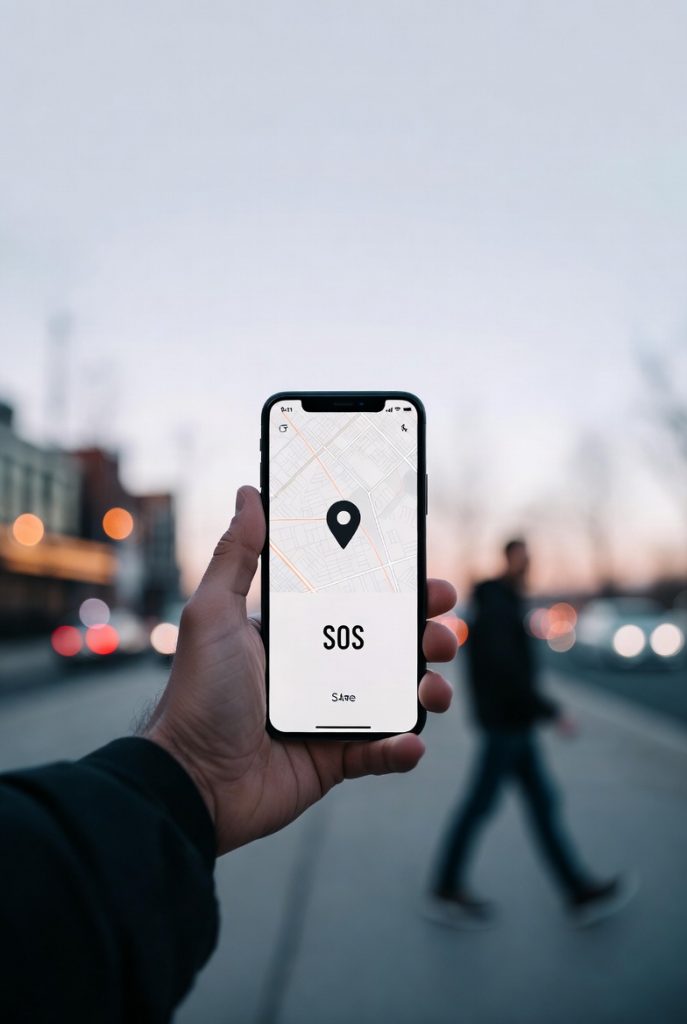
Personal safety apps promise peace of mind through features like live location sharing, SOS alerts, and check-ins. But for many people, that promise starts to feel uncomfortable when pricing screens appear with monthly or yearly fees that quietly pile up.
If you have ever downloaded a safety app, explored its features, and hesitated when you saw the subscription cost, you are not alone. This article helps you understand why safety apps are often priced the way they are, how those costs can become a barrier, and why affordability plays a bigger role in personal safety than most people realize.
It also explains why NauNauSOS is intentionally priced to remove that barrier, without stripping away the features that actually matter.
Why High Subscription Fees Create a Barrier
At first glance, subscription fees seem small. A few dollars a month feels manageable. But over time, those fees add up, especially when combined with other subscriptions like streaming, storage, or productivity tools.
For students, families, corps members, and everyday commuters, high subscription costs often create hesitation. You may want a safety app for daily movement, travel, or late nights, but still question whether the long-term expense is worth it.
Safety works best when it feels accessible and dependable. When pricing feels heavy, people delay decisions, cancel plans, or stop using tools altogether. And inconsistency is one of the biggest weaknesses in personal safety habits.
Expensive Safety Apps and the Cost of “Standard” Features
Many popular safety and location-sharing apps operate on premium subscription models. Apps like Life360, Noonlight, and bSafe offer helpful tools such as live location sharing, SOS alerts, and notifications.
The issue is not the features themselves. The issue is that many of these features are locked behind higher-priced plans, even though they represent basic safety needs.
Free versions are often limited, while meaningful use requires monthly or annual upgrades. For many users, the feature set feels familiar, but the pricing feels disproportionate to how often those tools are used.
This does not mean those apps lack value. It simply means cost becomes a deciding factor, not safety.
What You Are Really Paying For
When you examine safety app subscriptions closely, most of the cost goes toward ongoing access, servers, and expanded notification systems. Some plans also include premium support or reporting tools.
Many core functions, such as GPS location, messaging, and notifications, already exist on your phone. The app’s role is to organize and activate them quickly during moments that matter.
Understanding this helps clarify value. You are paying for structure, speed, and reliability, not entirely new technology. That clarity is important when comparing pricing across apps.
How High Costs Affect Safety Habits
Pricing does more than affect budgets. It affects behavior.
When a safety app feels expensive, people are more likely to cancel during tight months, forget renewals, or avoid fully setting it up. Some users stop sharing location regularly or hesitate to rely on the app because they are unsure how long they will keep paying for it.
Safety tools work best when they are always available, not just when a subscription is active. Consistency builds trust, and trust builds habits. When cost disrupts that consistency, safety weakens quietly.
What Affordable Safety Apps Should Offer
An affordable safety app should focus on what people actually use, every day.
That includes permission-based live location sharing with trusted contacts, simple SOS alerts that work instantly, clear notifications that reduce confusion, and easy contact management without complexity.
The experience should feel calm and dependable, not overwhelming. A safety app should blend into daily life, not demand constant attention or upgrades to feel useful.
This is where affordability becomes part of safety, not just pricing.
Why NauNauSOS Takes a Different Approach to Pricing
NauNauSOS was designed with one clear belief: personal safety should not feel like a financial commitment you constantly reconsider.
Instead of pricing safety as a premium product, NauNauSOS focuses on keeping core features accessible at one of the lowest price points available. Live location sharing, SOS alerts, trusted contacts, and incident reporting are built to be usable without pushing users into expensive tiers.
The goal is simple: remove cost as a reason someone hesitates to stay protected.
When safety tools are affordable, people keep them active. They use them daily. They add trusted contacts. They rely on them without second-guessing. That consistency is what makes safety work.
What to Check Before Choosing a Safety App
Before paying for any safety app, review what features are included, what requires upgrades, and how flexible the plans are. Look for transparency, trial access, and pricing that aligns with how you actually live.
A good safety app respects both your need for protection and your budget. It should feel like support, not pressure.
Closing
Staying safe should not require high monthly fees or complicated decisions. You deserve tools that work quietly in the background, remain affordable over time, and support real-life movement and routines.
When safety apps are priced sustainably, they become habits rather than expenses. And habits are what protect you when it matters most.
Choosing affordability is not choosing less safety. In many cases, it is choosing safety that lasts.