Safety is often discussed as something urgent and reactive. Sirens, alerts, and emergency buttons tend to dominate the conversation. But real personal safety is quieter than that. It lives in daily habits, small moments of awareness, and gentle reminders that help people stay grounded as they move through the world.
Most people do not ignore safety because they do not care. They forget because life is busy. Messages come in, schedules shift, and attention gets pulled in many directions. This is where daily safety reminder tools matter. They work in the background, not to create fear, but to keep safety present in a calm and supportive way.
For women, families, solo commuters, and travelers, these tools act like quiet companions. They do not interrupt life. They fit into it.
Below are five tools that make daily safety reminders actually work, starting with the most effective one.
#1: NauNauSOS
NauNauSOS App stands out because it was designed specifically around daily safety behavior, not just emergencies. At its core, it functions as a gentle reminder system that keeps safety active in everyday life.
Through well-timed push notifications, NauNauSOS reminds users to check in, confirm that they have arrived safely, or share their live location before or during routine activities like commuting, evening walks, or travel. These reminders are not urgent or alarming. They feel supportive, like a nudge from someone who cares.
One of its strongest features is background location sharing. Once enabled, trusted contacts can quietly see movement updates without the user needing to interact with the app constantly. This creates peace of mind for both sides. The person moving feels less alone, and loved ones know they are connected without hovering.
The SOS feature stays ready in the background, which changes how people carry themselves. Knowing that help can be alerted instantly, even discreetly, reduces anxiety and allows users to stay present instead of tense.
What makes NauNauSOS effective as a daily reminder tool is its balance. It does not demand attention, but it stays available. It reinforces safety as a habit, not a reaction.
#2: Calendar and Reminder Apps Used Intentionally
Most people already use calendar or reminder apps, but few think of them as safety tools. When used intentionally, they can support daily awareness.
Simple reminders like checking in after a commute, sending a location update before a late meeting, or confirming arrival at home can build consistency. Over time, these actions become routine.
The limitation is that calendar reminders rely heavily on user discipline. If notifications are dismissed or forgotten, the system stops working. Unlike NauNauSOS, they do not adapt to movement or context. They remind, but they do not watch or support beyond the alert itself.
Still, when paired with a dedicated safety app, they can reinforce good habits.
#3: Navigation and Commute Apps
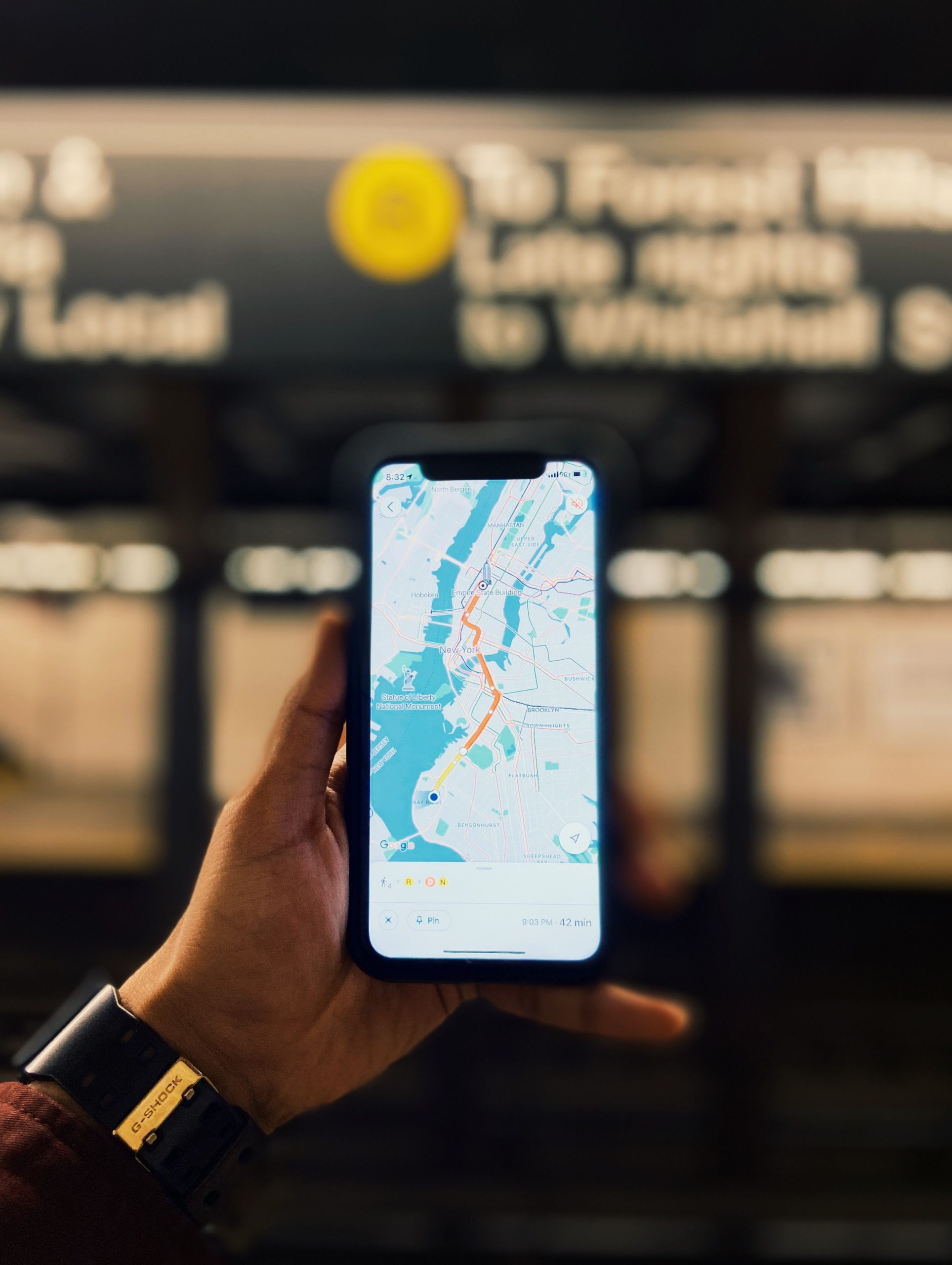
Navigation apps play an indirect role in daily safety reminders. Features like route tracking, trip sharing, and arrival notifications help users stay aware of where they are and how long they have been in motion.
For commuters and travelers, seeing progress and estimated arrival times reduces uncertainty. Some apps notify contacts when a trip is completed, which adds a layer of reassurance.
Their limitation is focus. These tools are built for movement efficiency, not personal safety. Once the trip ends or the app closes, the safety layer disappears. They do not provide ongoing background presence or emotional reassurance.
They work best as situational tools, not daily protectors.
#4: Smart Device Alerts and System Notifications
Phones already provide subtle safety cues through battery warnings, signal status, and location permissions. Paying attention to these alerts helps people stay prepared.
Low battery notifications, for example, can prompt users to recharge before leaving a safe environment. Location access reminders encourage awareness of what apps are active and whether sharing is enabled.
These alerts support safety indirectly by keeping the device ready and functional. However, they do not offer human connection or intentional check-ins. They maintain the tool, not the person using it.
This is where dedicated safety platforms fill the gap.
#5: Wellness and Habit Tracking Apps
Wellness and habit apps encourage reflection and routine. Some users create habits around walking safely, checking in with family, or limiting risky behavior during certain times of day.
These apps support emotional grounding. When people feel calm and aware, they make better decisions. Consistent reminders reinforce self-care, which is closely linked to personal safety.
Their limitation is scope. They focus inward, not outward. They do not connect users to others in real time or provide situational awareness during movement.
They are helpful for mindset, but not sufficient on their own.
Why Daily Safety Reminders Matter
Daily safety reminders work because they prevent problems before they begin. Panic responses are reactive. Habits are protective.
Push notifications, when designed thoughtfully, help people remember without overwhelming them. They turn safety into something familiar and routine rather than something heavy or stressful.
There is also emotional relief in knowing someone is quietly looking out for you. Even if nothing happens, the connection itself matters. It changes how people walk, commute, and travel. They feel supported rather than exposed.
Automation plays a key role here. People forget. Tools do not. When reminders and location sharing happen automatically, safety does not depend on perfect memory or constant vigilance.
Conclusion
Safety does not need to feel intense or consuming. At its best, it is calm, consistent, and quietly present.
Daily safety reminders help people stay connected, prepared, and aware without disrupting their lives. They work best when they operate in the background, supporting habits rather than demanding attention.
Among all the tools available, NauNauSOS offers the most reliable and human-centered approach to daily safety reminders. By combining gentle notifications, background location sharing, and SOS readiness, it turns safety into something people can trust and live with comfortably.
In a busy world, the right tools do not add pressure. They add peace of mind.