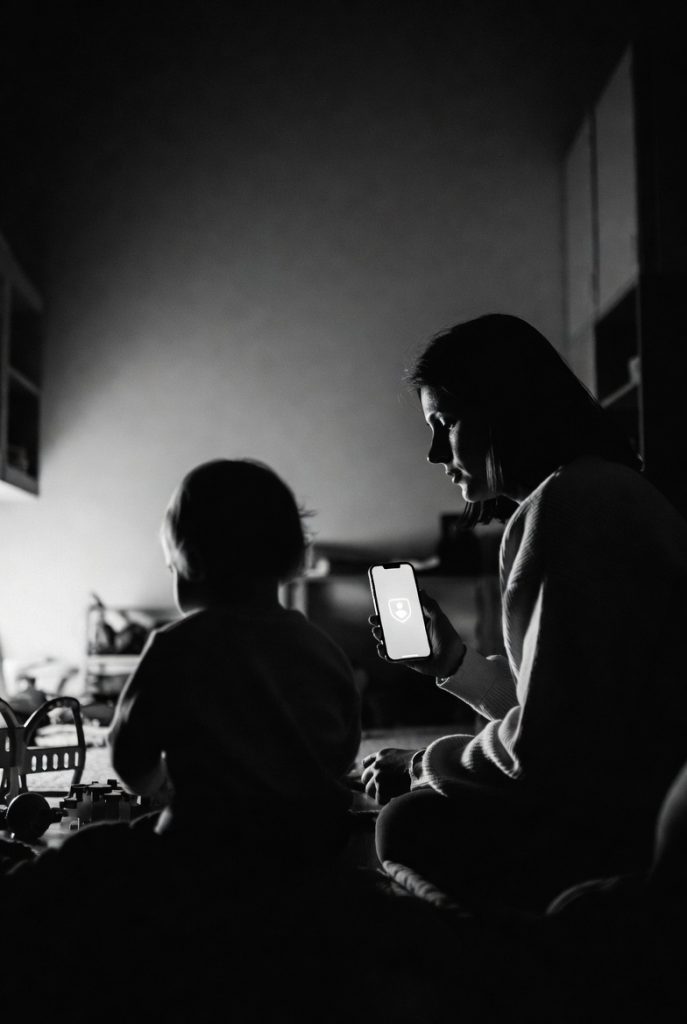
Parenting a young child often feels like living in two worlds at once. There is the world of joy, tiny surprises, sudden hugs, and playful chatter. And then there is the world where every parent quietly watches, evaluates, and prepares. Children age 3+ are curious, energetic, and bold. They climb new things, test boundaries, reach for objects faster than you expect, and explore the house as if it were a new adventure every day.
If you ever find yourself worrying about what could happen in a moment you are not looking, you are not alone. Many parents share these silent thoughts. Home safety is not about panic, it is about creating an environment where your child can grow freely while you stay confident and prepared.
Why Home Safety for Kids Matters
Everyday moments at home are meant to feel peaceful, but a child’s curiosity sometimes turns ordinary spaces into unexpected risks. Imagine your child running happily across the living room and slipping on a wet tile, or touching a charging cable because they think it looks interesting. These worries do not make you an anxious parent, they make you a responsible and loving one.
With simple preparation, the home becomes a safer space for your child to explore. Safety is not about limiting their freedom, it is about removing stress for you and creating room for their confidence to build.
Top Home Safety Risks for Children
1. Slippery floors
A single wet spot on tiles can cause a fall when a child is running excitedly. Keeping floors dry, using nonslip mats, and teaching your child to walk instead of run in certain areas helps reduce these risks.
2. Electrical outlets and exposed cords
Children often push tiny objects into spaces they find interesting. Outlet covers and cord organizers prevent curious hands from reaching dangerous areas.
3. Sharp objects in the kitchen
Imagine preparing dinner and turning for a brief second while your child enters the kitchen. Sharp utensils, open drawers, and hot pots become concerns. Store knives out of reach, use stove guards, and keep counters clear.
4. Balcony and staircase risks
Children love to climb and lean over rails. Secure balcony doors, use safety gates for stairs, and teach children to hold the railing slowly and steadily.
5. Bathroom safety
Wet floors, cleaning products, and open buckets of water all create risks for little ones. Keep the bathroom dry, lock cabinets, and supervise bath time closely.
6. Outdoor play areas
Backyards and compounds can hide hazards such as uneven ground, tools, and insects. Routine checks and soft play surfaces help keep these areas safer.
7. Unsecured cabinets and medication
Children often explore low cabinets instinctively. Latches and locks prevent access to cleaning products and medication.
8. Digital safety when kids use phones or tablets
As children begin exploring screens, they may open apps, click unknown links, or share information unintentionally. Setting parental controls and guiding screen habits keeps them safer online.
People Also Read: Family Location Sharing App: Keep Your Loved Ones Close, Wherever They Are
Practical Ways to Keep Your Home Safer
Childproofing does not have to feel overwhelming. Start with the areas your child visits the most. Create simple routines like putting sharp items away immediately, wiping spills as soon as they happen, and closing bathroom doors after use.
Teach safety rules gently. For example, instead of saying “Do not touch that,” try “This is something only adults use.” Kids age 3+ respond well to language that explains, not scolds.
You can also create predictable habits. Shoes by the door, toys in a basket, and cords tucked behind furniture all help reduce unexpected hazards. Simple routines build safer environments without taking away the comfort and warmth of your home.
Teaching Kids Independence Without Fear
Children need space to grow, make choices, and try new things. Your role is not to eliminate every possible risk, but to guide them calmly. Show them how to climb stairs carefully, how to wash their hands safely, and how to respect household boundaries.
Independence starts with trust. Let your child try something new while you watch from a safe distance. These moments help them build confidence and help you see that safety and independence can exist together peacefully.
Why Safety Apps Are Becoming Normal Among Parents
Many parents today quietly use safety apps to stay connected with their children. It is not about control, it is about peace of mind. You may already know parents who check in during school trips, weekend outings, or even simple walks within the neighborhood.
Apps like NauNauSOS help parents stay informed without interrupting their child’s freedom. Features like:
• Follow Me for school commutes and supervised outings
• Background location sharing that updates automatically
• SOS alerts for emergencies
• Trusted contacts who can help when needed
These tools fit naturally into modern parenting. They offer reassurance without being intrusive, and they help families feel supported and connected.
People Also Read: Ginger & Jasmine’s Dynamic in Ginger’s Plan – Best Animation Series on YouTube for Kids
Conclusion
Home safety is never about perfection. It is about preparation, confidence, and connection. When your child feels free to explore and you feel calm knowing the home is safer, everyone thrives.
As you continue building a safe, loving environment for your child, take small steps that matter. Adjust your home where needed, teach gentle rules, and stay connected using tools that support your peace of mind.
If you want an extra layer of reassurance, consider downloading NauNauSOS App here. It helps parents stay connected and confident while giving children the freedom to explore their world safely.
Your home can be both joyful and safe, and your careful attention makes all the difference.